
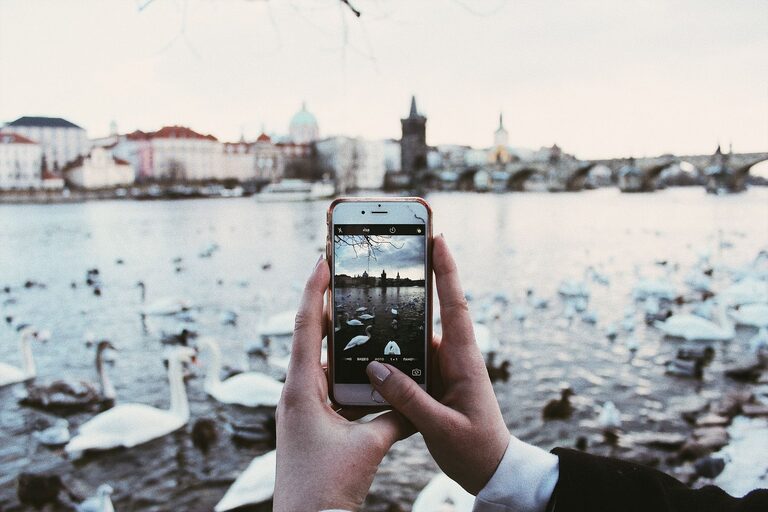
Taking great photos with your phone is easier than you might think. Whether you want to capture memories, share moments on social media, or simply explore your creative side, your smartphone camera can be a powerful tool. This guide offers beginner-friendly tips to help you take better phone photos, improve your skills, and make the most of your device’s camera.
Understand Your Phone Camera Basics
Before diving into photography techniques, familiarize yourself with your phone’s camera features:
– Explore Camera Modes: Most phones offer modes like portrait, panorama, night, and manual settings. Try these out to see which works best for different situations.
– Use the Grid: Enable the gridlines in your camera settings to help align your shots using the “rule of thirds,” which improves composition.
– Check Resolution and Aspect Ratio: Higher resolution means better image quality. Choose the highest resolution and appropriate aspect ratio (4:3 or 16:9) for your photos.
Master Lighting for Better Photos
Lighting is one of the most important factors in photography. Even the best camera can’t fix poor lighting:
– Natural Light is Your Friend: Whenever possible, use natural light. Early morning or late afternoon light (golden hour) gives warm, soft tones.
– Avoid Harsh Sunlight: Direct midday sun can cause harsh shadows and overexposed spots. Find shade or shoot on cloudy days for more even lighting.
– Use the Phone’s Flash Sparingly: The built-in flash often creates unnatural lighting and shadows. Instead, boost exposure or find more light sources.
– Experiment with Backlighting and Silhouettes: Position your subject with the light behind them to create dramatic effects.
Improve Composition
Good composition makes your photos more engaging and visually pleasing:
– Apply the Rule of Thirds: Place your main subject along the gridlines or at their intersections to create balance.
– Keep the Horizon Straight: A tilted horizon can make photos look off, so align it using the grid or phone leveling tools.
– Use Leading Lines: Look for natural lines like roads, fences, or bridges that draw the viewer’s eye toward the subject.
– Frame Your Subject: Use objects like windows, branches, or doorways to create a frame within your photo.
– Simplify the Background: A clutter-free background keeps the focus on your subject and avoids distractions.
Focus and Exposure Tips
Your phone camera allows you to control focus and exposure to improve clarity and brightness:
– Tap to Focus: Tap on the screen where you want the camera to focus. This ensures your subject is sharp.
– Adjust Exposure Manually: After focusing, many phones let you slide your finger up or down to brighten or darken the photo.
– Lock Focus and Exposure: If your phone supports it, lock focus and exposure to prevent the camera from adjusting automatically when you move the phone.
Steady Your Shots
Blurry photos can ruin an otherwise perfect shot. To avoid this:
– Hold Your Phone Steady: Use both hands, tuck your elbows close to your body, and stand still while shooting.
– Use a Tripod or Stand: For low light or long exposure photos, a tripod or phone stand is essential.
– Use the Timer or Remote Shutter: Set a short timer or use a remote to avoid shaking the phone when you press the shutter button.
Experiment with Angles and Perspectives
Different angles can transform a common scene into something unique:
– Get Low or High: Shoot from waist level or above to add interest.
– Try Close-Ups: Capture details by getting close to your subject, but don’t lose focus.
– Change Your Point of View: Step to the side, behind, or even underneath your subject to find fresh perspectives.
Edit Your Photos
Editing can enhance colors, fix brightness, and crop images for better composition:
– Use Simple Editing Apps: Tools like Snapseed, VSCO, or Lightroom Mobile offer easy-to-use features.
– Adjust Brightness and Contrast: Improve clarity without overdoing it.
– Crop and Straighten: Remove distractions around the edges and fix tilted horizons.
– Apply Filters Wisely: Filters can add style but use them subtly to keep photos natural.
Practice and Learn
Photography is a skill that improves with practice and observation:
– Take Photos Regularly: Experiment with different subjects, lighting, and settings.
– Study Other Photos: Look at pictures you admire and try to understand why they work.
– Join Photography Communities: Online forums and social media groups can offer feedback and inspiration.
Conclusion
Better phone photos are achievable with a little practice and attention to detail. By understanding your camera, paying attention to lighting, composing thoughtfully, and steadying your shots, you’ll see noticeable improvements. Remember that photography is a creative journey, so have fun and keep experimenting to develop your style. Happy shooting!