
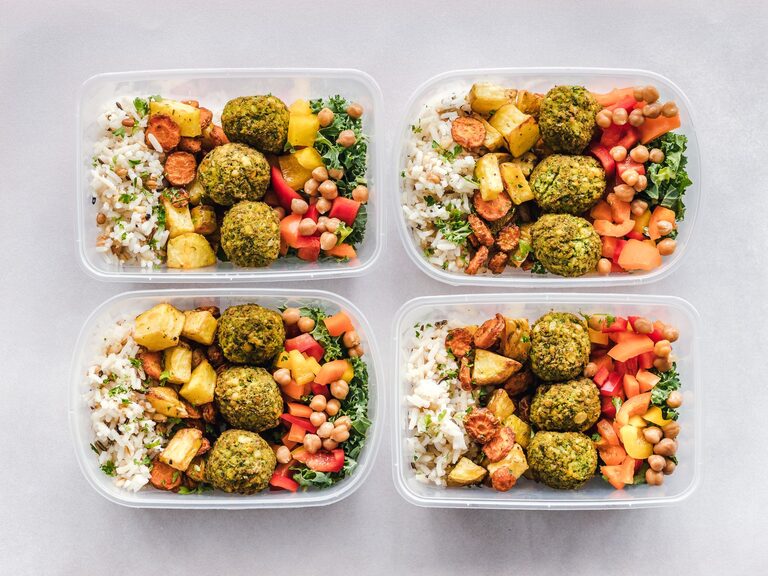
Planning balanced meals doesn’t have to be overwhelming or time-consuming. With a little preparation and some simple strategies, you can create nutritious, delicious meals that support your health and satisfy your taste buds—all without the stress. Whether you’re cooking for yourself, your family, or meal prepping for the week, these tips will help you plan balanced meals easily.
What Are Balanced Meals?
A balanced meal provides a good mix of nutrients your body needs to function well. This usually means including:
– Protein: Helps build and repair tissues (e.g., chicken, beans, tofu).
– Carbohydrates: Provide energy (e.g., whole grains, starchy vegetables).
– Healthy Fats: Support brain and heart health (e.g., olive oil, nuts, avocado).
– Fruits and Vegetables: Rich in vitamins, minerals, and fiber.
– Hydration: Water or other healthy beverages to keep you hydrated.
Why Planning Matters
Planning meals ahead helps you:
– Save time and reduce daily stress.
– Avoid last-minute unhealthy choices.
– Manage your grocery budget.
– Ensure variety and nutrient balance.
– Reduce food waste.
Step-by-Step Guide to Stress-Free Meal Planning
1. Assess Your Needs and Preferences
Start by thinking about your schedule, dietary preferences, and nutritional goals. Consider how many meals you need to plan for and who you’re cooking for. Also, note any food allergies or restrictions.
2. Choose Simple, Flexible Recipes
Pick recipes that are straightforward and use ingredients you enjoy. Look for meals that can be easily modified or mixed and matched (e.g., grilled chicken with different sides).
3. Create a Weekly Meal Plan
Use a calendar or a meal planning app to map out breakfasts, lunches, dinners, and snacks for the week. This visual plan helps you see variety and balance.
4. Make a Smart Shopping List
Write down only what you need based on your plan. Organize your list by categories (produce, dairy, proteins) to make shopping quicker.
5. Prep Ingredients in Advance
Spend some time chopping vegetables, cooking grains, or portioning snacks. Prepping saves time during busy weekdays and makes it easier to assemble meals.
Tips for Balanced Meals Made Easy
Incorporate Variety
Eat a mix of colorful fruits and veggies throughout the week. Different colors mean different nutrients, so mix leafy greens, red peppers, orange carrots, and purple berries.
Keep Whole Grains On Hand
Choose whole grain options like brown rice, quinoa, or whole wheat bread instead of refined grains to boost fiber and nutrients.
Mix Plant-Based and Animal Proteins
Try beans, lentils, tofu, or nuts alongside lean meats, poultry, fish, or eggs. This variety supports different tastes and nutrition.
Use Herbs and Spices
Season meals with herbs and spices instead of relying on salt or heavy sauces. This adds flavor without extra sodium or calories.
Balance Portions Mindfully
Aim for half your plate to be fruits and vegetables, one quarter protein, and one quarter whole grains. Adjust portions to your energy needs.
Sample Balanced Meal Ideas
– Grilled salmon with quinoa and steamed broccoli
– Stir-fried tofu with mixed vegetables and brown rice
– Chicken and vegetable soup with a side salad
– Whole grain pasta with tomato sauce, spinach, and chickpeas
– Greek yogurt with fresh fruit and a sprinkle of nuts for breakfast
Overcoming Common Challenges
Limited Time?
Batch cook on weekends or use a slow cooker. Prepare double portions to have leftovers for another meal.
Budget Constraints?
Plan meals around seasonal produce and sales. Use affordable staples like beans, eggs, and frozen vegetables.
Feeling Bored with Food?
Try new recipes or cuisines occasionally. Add a new spice or vegetable to refresh your meals.
Final Thoughts
Meal planning doesn’t need to be stressful or complicated. By understanding what makes a balanced meal and following simple planning steps, you can enjoy nutritious, tasty food every day. Start small, be flexible, and make the process work for your lifestyle. With practice, stress-free balanced meals will become second nature. Happy cooking!